
How to Gain 10 Pounds Every Year, Without Even Trying — You In?
Uncover the hidden sleep-nutrition loop behind unexplained weight gain after 40. Plus a fat-burning morning coffee ritual to start turning things around.
Loretta Kovacevich
3/5/20266 min read

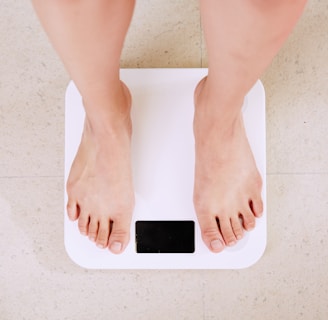
How to Gain 10 Pounds Every Year, Without Even Trying — You In?
If that makes your stomach drop, keep reading!
After 40, most of us are on a silent weight-gain plan we never signed up for. No one handed us a brochure. There was no orientation meeting. And yet, somewhere between last Tuesday's leftover pasta and this morning's 5 a.m. alarm that you completely ignored, the scale crept up — again.
Here's what nobody talks about at the doctor's office: weight gain after 40 isn't always about what's on your plate. Sometimes, it isn't even about how much you move. The real culprit hiding in plain sight? The relationship between what you eat and how you sleep — and how badly those two things can sabotage each other when life gets busy, stressful, or just plain exhausting.
Think about it. When did you last wake up genuinely rested? Not "I survived the night" rested — actually, deeply, restorative-sleep rested. For most of us, the answer lands somewhere between "I can't remember" and "What even is that?"
Your nervous system is overworked, under-rested, and quietly running the whole show in the background.
And here's where it gets interesting — and a little unfair. Poor sleep doesn't just make you tired. It lights up the hunger centers of your brain like a pinball machine. It spikes the hormone that screams eat more (ghrelin) and suppresses the one that whispers you're full (leptin). Your cravings don't ask politely for a salad. They demand carbs, sugar, and anything that delivers fast energy — because your brain genuinely believes it's in survival mode.
Now layer in the way most of us actually eat — rushed breakfasts, skipped meals, processed convenience foods, and late-night grazing — and you've created the perfect metabolic storm. Quietly. Ten pounds at a time.
This article isn't about shame, calorie counting, or another restrictive plan that lasts eleven days. This is about understanding the biology working against you so you can start working with your body instead. Because once you see the connection between sleep, nutrition, and unexpected weight gain, you can't unsee it — and that's when things start to change.
This is also about the small, practical pivots that your real life can actually hold. Not a complete overhaul. Not a 90-day transformation challenge. Just a clearer picture of what's happening inside your body — and a few tools that quietly start tipping the scales in your favor. Starting with your very first cup of coffee tomorrow morning.
The Silent Partnership: How Sleep and Nutrition Drive Each Other
Let's talk about a conversation you've probably had with yourself at some point.
"I don't know why I'm gaining weight. I'm not even eating that much."
Or maybe this one: "I eat pretty well during the day, but at night I just can't stop snacking."
Or: "I've been so tired lately — I just don't have the energy to cook anything healthy."
If any of those sound familiar, you're not broken. You're experiencing a feedback loop that millions of adults walk through every single day — and most of them don't realize that their fatigue and their food choices are directly fueling each other.
When sleep quality drops, your body experiences a measurable shift in hunger hormones.
Ghrelin rises by as much as 28% after just two nights of shortened sleep, while leptin — your satiety signal — drops significantly. The result? You're hungrier, you're less satisfied, and craving fast carbs.
This isn't a weakness. This is biochemistry.
Poor sleep also raises cortisol, your primary stress hormone. Chronically elevated cortisol tells your body to hold onto fat — particularly around the midsection — because it thinks you're under threat. From a survival standpoint, that makes sense. From a wellness standpoint? It's incredibly frustrating when you're doing "everything right" and still gaining weight.
Now flip it. Poor nutrition disrupts sleep just as powerfully as poor sleep disrupts nutrition. Eating large meals close to bedtime, consuming excess sugar or refined carbohydrates throughout the day, and skipping protein all interfere with the production of melatonin and serotonin — the chemical messengers your brain needs to wind down naturally. Blood sugar swings during the night can wake you at 2 or 3 a.m., leaving you groggy, hungry, and starting the whole cycle over again.
A few common situations worth recognizing:
"I do great Monday through Thursday, then the weekend completely derails me." This pattern — sometimes called social eating drift — is incredibly common and doesn't undo your progress. What it does reveal is that your weekday structure is doing more work than you realize.
"I'm not hungry in the morning, so I skip breakfast — but I'm ravenous by noon." Skipping breakfast, especially protein, raises cortisol further in the morning and sets you up for blood sugar instability all afternoon.
"I've been under a lot of stress at work, and I just can't sleep well."
Stress, sleep, and weight gain form one of the most vicious triangles in adult wellness. Addressing sleep hygiene and stress habits isn't a luxury — it's a metabolic necessity.
Start Your Morning Right: The Fat-Burning Coffee Ritual
Before we talk strategy, let's talk about one simple swap that can change the trajectory of your entire morning — and your metabolism.
Dr. Blake Livingood, a natural medicine physician and bestselling author, created what he calls his signature fat-burning coffee, and it's one of the most practical morning rituals I've seen.
Instead of reaching for a sugary latte or a carb-heavy breakfast that spikes insulin first thing, his recipe uses brewed coffee — ideally his Livingood Daily Coffee + Moringa, which is infused with nutrient-dense moringa powder — blended with grass-fed butter, coconut oil or MCT oil, and collagen powder sweetened with monk fruit.
Why does this work?
Grass-fed butter provides healthy fats that fuel your brain without spiking blood sugar.
Coconut oil brings antimicrobial benefits and helps flip your body into fat-burning mode with quick, steady energy.
Collagen supports joints, skin, and gut lining — all big players as we age.
And moringa adds a powerful antioxidant punch with vitamins, minerals, and anti-inflammatory support for metabolism, blood pressure, and heart health.
Best of all, this combination doesn't spike insulin.
It can even fit into an intermittent fasting window.
Dr. Livingood calls this style a "dirty fast."
You get the satiety of healthy fats, the alertness of clean caffeine, and none of the blood sugar roller coaster that
you would get from a muffin or a bowl of cereal.
This one shift — swapping your usual morning coffee routine for this nourishing blend — signals to your body that you're feeding it intentionally from the very first sip.
So, where does all of this leave you?
With information — and that matters more than you might think right now.
Here's what I want you to walk away with: weight gain after 40 is not inevitable, but it is sneaky. It works on the margins of your day. It hides in the exhaustion you've normalized, the late-night snacking you've dismissed as a bad habit, the cortisol you're carrying like a backpack you forgot you were wearing. Understanding the sleep-nutrition loop isn't about adding another task to your already full plate. It's about recognizing where your body is already trying to communicate with you — and finally listening.
Start small. Protect your sleep like it's the most productive thing you can do, because for your metabolism, it genuinely is. Aim for a consistent bedtime and wake time, even on weekends. Keep your bedroom cool and dark. Limit screens for at least an hour before bed. These aren't revolutionary ideas, but they are consistently underestimated.
In the morning, try swapping your usual coffee routine for the Dr. Livingood fat-burning blend we talked about. Give it two weeks. Notice whether your cravings feel different by mid-morning and whether you feel more even-keeled through the afternoon.
Watch what you eat within two hours of bedtime. A high-protein, low-glycemic evening meal — think grilled salmon with roasted vegetables over a scoop of quinoa — supports stable blood sugar overnight and makes it far easier to sleep through without waking in the middle of the night.
And above all, start noticing your patterns without judging them. Those situational questions you've asked yourself — why I am always hungry at night, why can't I stop the weekend eating, why am I so tired no matter how long I sleep — those aren't signs of failure. They're data. And data is something you can actually work with.
Your body is not working against you. Once you understand the language it’s speaking, this whole conversation changes.
You've got this — and I'll be right here, every season, walking through it with you.
[Next up in the series: We'll be going deeper into the specific foods that support restorative sleep — and the surprising ones that steal it right out from under you. Stay close!]
Wellness
Explore vibrant health through seasonal changes.
Change
Health
© 2025. All rights reserved. | Privacy Policy